

technology
powerCalifornia Solar Power Bills Move Forward to Support Balcony Solar, Community Solar, and VPPs
California’s legislative push to revive its solar leadership could offer valuable lessons for Canadian provinces looking to expand renewable energy…
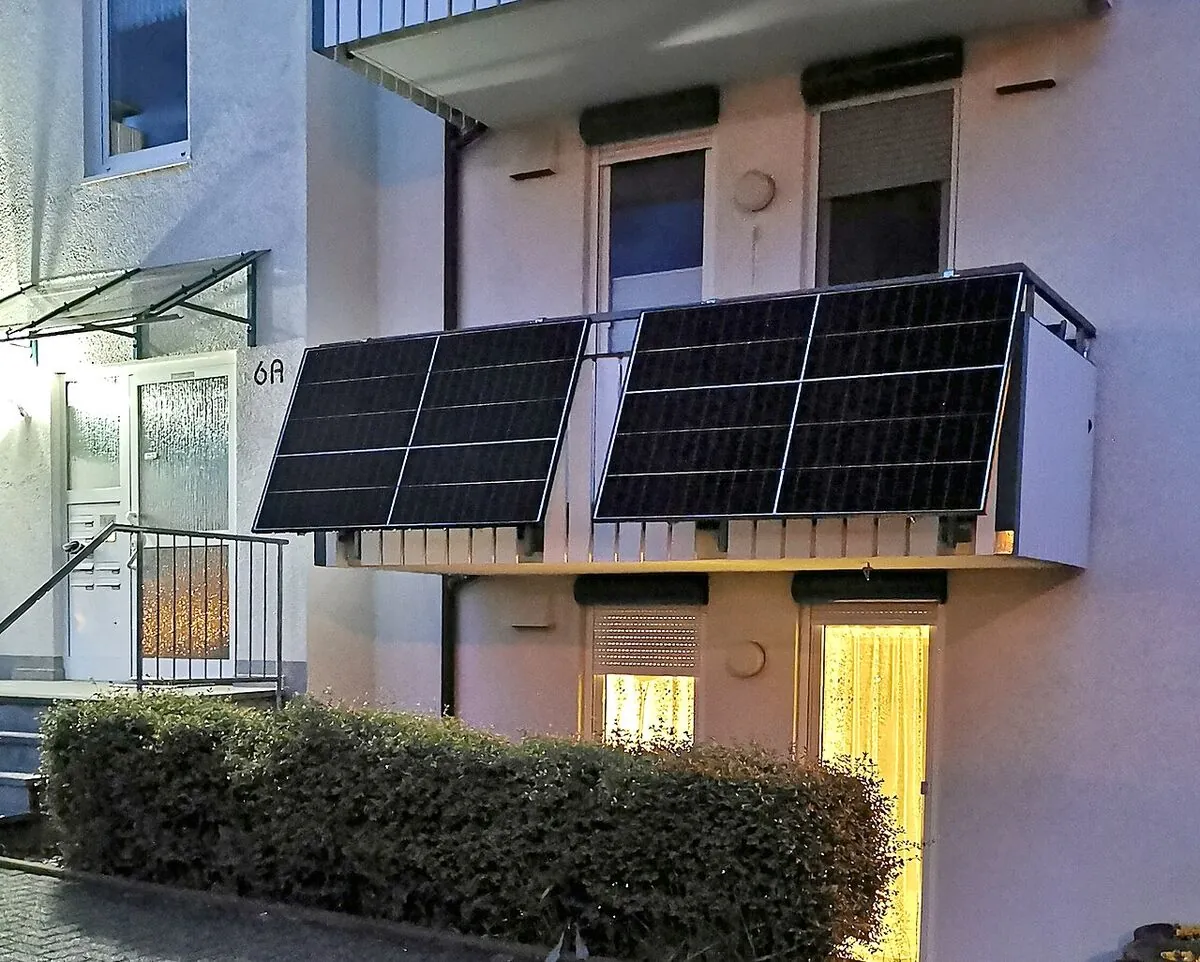
California’s legislative push to revive its solar leadership could offer valuable lessons for Canadian provinces looking to expand renewable energy adoption. Several bills advancing through the state’s legislature aim to bolster solar power by supporting balcony solar installations, community solar projects, and virtual power plants (VPPs)—a model that could inspire similar policies in Canada.
A Renewed Push for Solar in California
After years of being a solar energy leader, California’s momentum slowed following changes to its net metering policy, which reduced financial incentives for rooftop solar. Now, lawmakers are seeking to reignite growth with new legislation. Among the proposed bills are measures to simplify the installation of balcony solar panels, expand access to community solar programs, and integrate more VPPs—networks of distributed energy resources like home batteries and solar panels that can act as a unified power source.
If passed, these bills could make solar more accessible to renters and those with limited roof space, while also enhancing grid resilience. For Canadian provinces like Ontario, British Columbia, and Alberta—where solar adoption is growing but still faces barriers—California’s approach may serve as a blueprint.
Could Canada Adopt Similar Policies?
Canada’s solar market is smaller than California’s but has seen steady growth, particularly in provinces with supportive policies. Ontario, for example, has a thriving rooftop solar sector, while Alberta’s deregulated energy market has spurred innovation in community solar.
However, challenges remain. Unlike California, Canada lacks a unified solar incentive program, with policies varying widely by province. Some, like Nova Scotia, have strong net metering rules, while others, such as Quebec, have been slower to embrace distributed solar.
The concept of balcony solar—small, plug-and-play solar panels for apartment dwellers—is gaining traction in Europe but remains rare in North America. If California succeeds in streamlining regulations for such systems, Canadian cities with dense urban populations (like Toronto or Vancouver) might follow suit.
Similarly, community solar—where multiple households share a single solar array—has potential in Canada but is often hamstrung by regulatory hurdles. California’s efforts to expand this model could pressure Canadian provinces to rethink their own policies.
Virtual Power Plants: The Next Frontier?
One of the most promising developments in California is the push for virtual power plants (VPPs), which aggregate home solar and battery systems to provide grid services. Tesla has already demonstrated the potential of VPPs in South Australia, and California’s new bills could accelerate their adoption.
In Canada, where extreme weather and grid reliability are growing concerns, VPPs could play a key role in stabilizing the grid. Provinces like British Columbia, which has a high penetration of residential solar, might explore similar programs to enhance energy resilience.
What’s Next?
While California’s bills still need final approval, their progress signals a shift back toward stronger solar support. For Canada, the developments offer a glimpse of what’s possible with the right policy framework.
As Canadian provinces work toward their own clean energy goals, watching California’s next moves could provide valuable insights—especially if the legislation succeeds in making solar more accessible and grid-interactive.
Would you like to see balcony solar or community solar programs in your province? Let us know in the comments.
Looking for EV deals, insurance, or financing? Check out our partner deals and offers.
If you found this guide helpful, use our Tesla referral link for free Supercharging credits on a new Tesla purchase or lease in Canada.

Next story · swipe left
Next story
Canada Moves to Scrap EV Sales Mandate
2 min read
The Canadian federal government has taken a significant step toward scrapping the country’s electric vehicle (EV) sales mandate, even as the stricter…
The Charge Brief
Get Canada’s EV transition in your inbox
One email a day. No spam, unsubscribe anytime.