
industry
A Vacation Farmhouse In Vermont Inspires A Renewable Energy Travelogue
A serene farmhouse in Vermont’s rolling green hills has sparked an unexpected conversation about renewable energy, blending travel inspiration with…
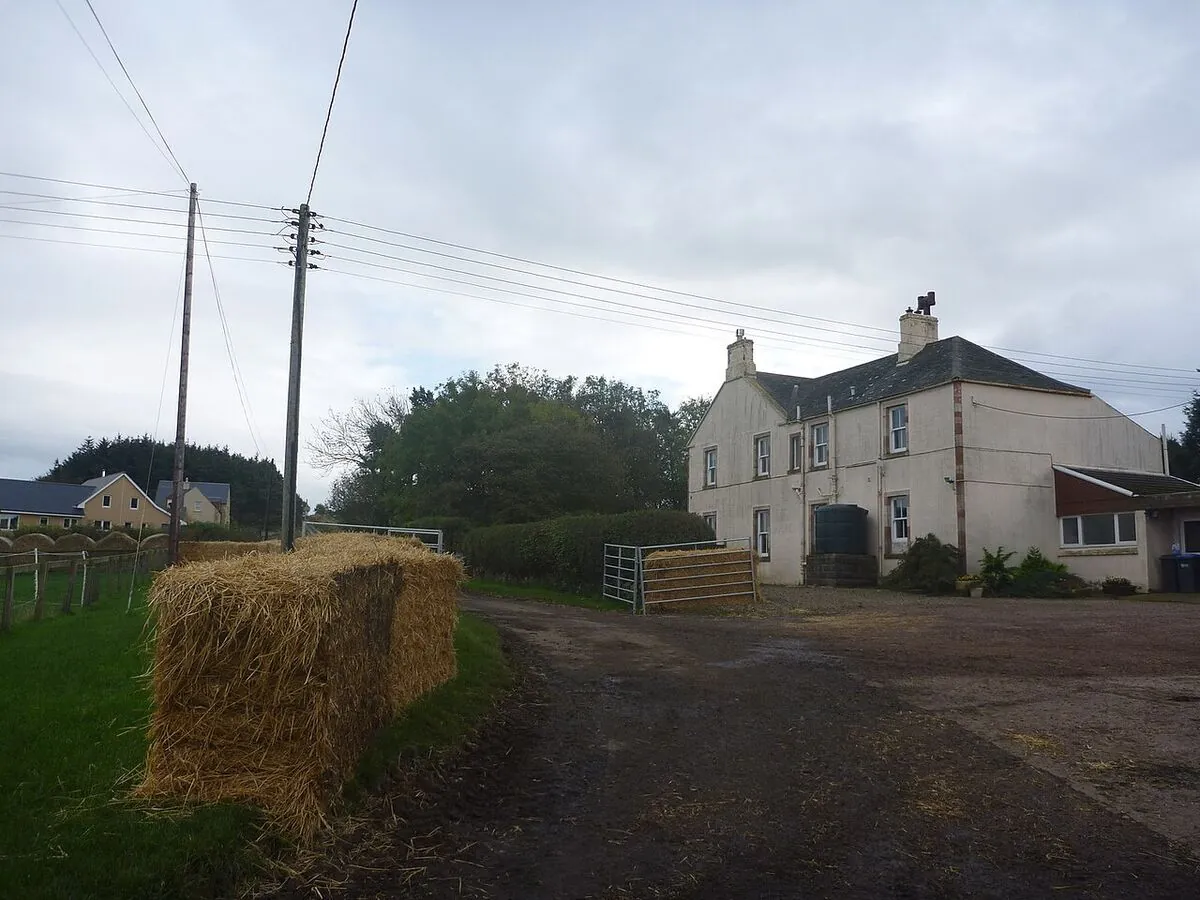
A serene farmhouse in Vermont’s rolling green hills has sparked an unexpected conversation about renewable energy, blending travel inspiration with sustainable living—an idea that resonates deeply with Canadian EV and clean energy enthusiasts.
The property, nestled among lush hydrangeas, wild grapes, and pollinator-friendly milkweed, isn’t just a picturesque getaway. According to a recent CleanTechnica feature, it’s part of a growing trend where vacation stays double as real-world examples of off-grid and renewable energy solutions. For Canadians familiar with rural retreats in British Columbia’s Okanagan or Ontario’s Prince Edward County, the concept will feel both aspirational and familiar.
A Farmhouse Powered by the Sun and Earth
The Vermont farmhouse runs on a mix of solar panels and geothermal heating, a setup that’s gaining traction in Canada as homeowners and cottage-goers seek energy independence. With hydroelectric power dominating much of Canada’s grid, solar and geothermal remain niche but rapidly growing—especially in remote areas where grid reliability can be inconsistent.
For Tesla and EV owners, the connection is clear: just as electric vehicles reduce dependence on gas stations, renewable-powered homes reduce reliance on traditional utilities. The farmhouse’s setup mirrors the ethos of Tesla’s Powerwall and solar roof systems, which are available in Canada (though pricing and installation costs remain a barrier for many).
Could This Work in Canada?
Canada’s vast geography and varied climate present unique challenges for renewable energy adoption. A solar-powered farmhouse in Vermont’s temperate summers is one thing, but how would such a system fare in a Canadian winter?
The answer, according to renewable energy experts, lies in hybrid systems. Solar panels paired with battery storage (like Tesla’s Powerwall) can store excess energy for cloudy days, while geothermal systems—which tap into stable underground temperatures—provide consistent heating and cooling year-round. These technologies are already being tested in Canadian pilot projects, from Newfoundland’s wind-solar hybrids to Alberta’s geothermal initiatives.
The Bigger Picture: Sustainable Travel & Energy Tourism
The Vermont farmhouse isn’t just a place to stay; it’s part of a broader movement where travelers seek out destinations that align with their values. Eco-tourism is booming, and Canada is well-positioned to capitalize on it. Imagine a future where cottage country in Muskoka or the Cabot Trail in Nova Scotia features more off-grid, renewable-powered lodgings—complete with EV chargers for the growing number of electric vehicle road-trippers.
For Tesla owners, this could mean more than just a scenic drive. It could mean a network of sustainable stays where their cars charge on 100% renewable energy, reinforcing the brand’s mission of accelerating the world’s transition to sustainable energy.
What’s Next for Canadian Renewable Energy?
While Vermont’s farmhouse offers a charming case study, the real question is scalability. In Canada, government incentives for residential solar and geothermal are improving, but adoption is still slow compared to European leaders like Germany or Norway.
Yet, with Tesla’s expanding Supercharger network in Canada (now over 1,000 stations nationwide) and increasing interest in home energy solutions, the pieces are falling into place. The Vermont example shows that renewable energy isn’t just for tech enthusiasts—it’s for anyone who dreams of a quieter, cleaner way to live and travel.
For now, Canadians can look south for inspiration. But soon, we may see our own farmhouses, cottages, and even urban homes leading the charge.
Looking for EV deals, insurance, or financing? Check out our partner deals and offers.
If you found this guide helpful, use our Tesla referral link for free Supercharging credits on a new Tesla purchase or lease in Canada.
Next story · swipe left
Next story
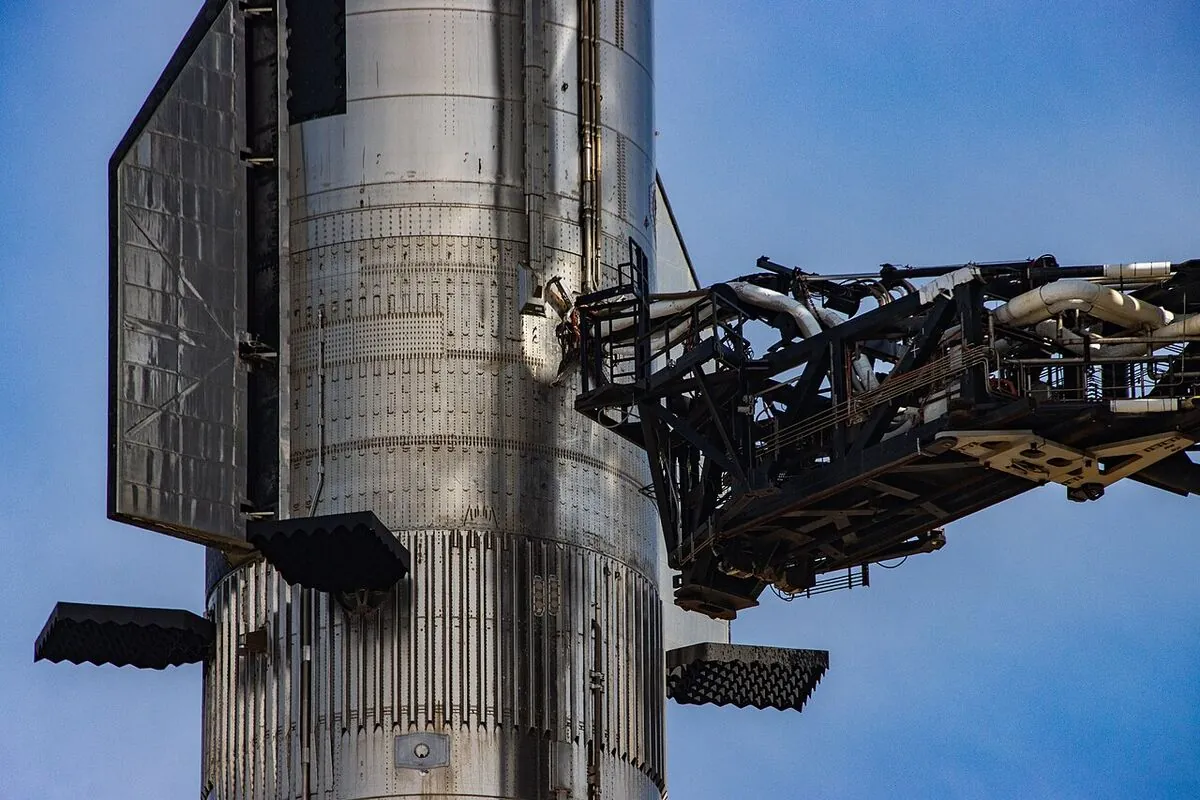
Elon Musk gives a timeline for SpaceX’s first Starship catch attempt
2 min read
Elon Musk has revealed that SpaceX is targeting “a few months” for its first attempt to catch the Starship upper stage using the massive arms of its launch…
The Charge Brief
Get Canada’s EV transition in your inbox
One email a day. No spam, unsubscribe anytime.