Best Winter EV Accessories Canada 2026: Stay Safe
Best winter EV accessories in Canada for 2026 — battery blankets, cold-rated cables, winter tires, floor liners, and must-have gear for cold-weather electric vehicle ownership.
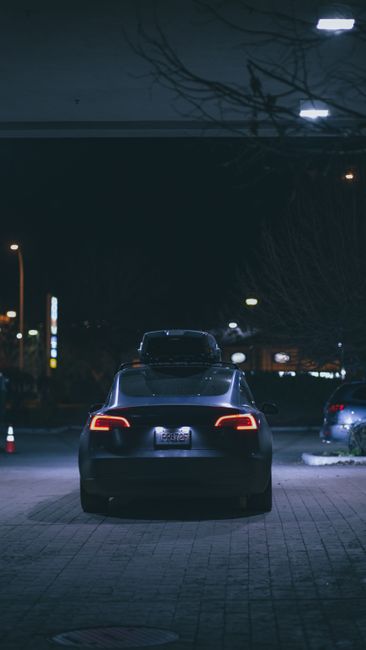
Canadian winters test EV accessories harder than any other season, because extreme cold affects charging cables, tire pressure, battery performance, and interior protection simultaneously. The right accessories extend range, reduce charging delays, protect vehicle components, and make winter ownership more comfortable. In 2026, Canadian EV owners have access to purpose-built cold-weather gear that addresses real winter problems rather than generic automotive accessories that underperform in sub-zero conditions.
Cold-Rated Charging Cables
Standard EV charging cables become brittle in sustained cold and may crack at connector points, which creates safety hazards and interrupt charging sessions. Cold-rated charging cables use flexible insulation compounds that retain flexibility at low temperatures and resist impact damage from ice and compacted snow. Canadian EV owners recommend storing charging cables inside the vehicle or in heated parking rather than leaving them outside between sessions, because frozen cables require extra force to connect and may damage port contacts over time.
Battery Blankets
Battery blankets or thermal wraps preserve battery temperature during overnight cold soaks, which improves morning range and restores faster initial charging speeds. Modern EVs with factory-installed battery thermal management make battery blankets less necessary, but aftermarket thermal management remains valuable for older models or vehicles parked outdoors without plug access. Owners who use battery blankets report 5 to 15 percent improvement in morning range during extreme cold, which can be the difference between completing a commute and requiring an emergency mid-day charge.
Winter Tires
Winter tires are non-negotiable for Canadian EV safety and efficiency. EV-specific winter tires carry higher load ratings to support battery pack weight and use rubber compounds that remain flexible at low temperatures while resisting the higher torque that electric motors deliver instantaneously. Drivers who fit winter tires report better traction, shorter stopping distances, and slightly improved range compared to all-season tires in consistent sub-zero conditions. Some EV owners delay winter tire purchases because of cost, but the safety and efficiency benefits usually justify the expense within one winter season.
Interior and Exterior Protection
All-weather floor liners designed for specific EV models protect interior surfaces from salt, slush, and wet winter clothing, which simplifies cleanup and preserves resale value. Owners who use rubber liners report less carpet wear and fewer trapped moisture issues that can damage underfloor components. Exterior protection includes paint protection films on high-impact areas and regular washing to remove corrosive road salt before it damages paint and suspension components. Canadian EV owners who maintain both interior and exterior protection during winter report lower annual maintenance costs and better resale outcomes.
Looking for EV deals, insurance, or financing? Check out our partner deals and offers.
If you found this guide helpful, use our Tesla referral link for free Supercharging credits on a new Tesla purchase or lease in Canada.
Next story · swipe left
Next story
Battery Swapping vs Fast Charging in Canada: What Works Better
6 min read
Battery swapping and DC fast charging are both solutions to EV range anxiety, but only one is practical in Canada right now. Here is the honest comparison.
The Charge Brief
Get Canada’s EV transition in your inbox
One email a day. No spam, unsubscribe anytime.