
industry
Norway Hit 98.7 Percent EV Share in August — What Canada Can Learn From the Last Mile
Norway registered 13,451 new cars in August and 98.7 percent were electric — a record. Tesla fell to seventh as VW, Toyota and Chinese brands surged. Here is what the numbers say about the endgame of EV adoption, and where Canada stands.
Norway has posted the closest thing yet to an all-electric new-car month. Of the 13,451 passenger cars registered in August, 98.7 percent were fully electric, according to the Norwegian Road Traffic Information Council (OFV) — a record for the country that has spent fifteen years deliberately engineering this outcome. Total registrations actually fell 3.4 percent year-over-year; the record is about share, not volume.
OFV chief executive Geir Inge Stokke's summary of the market deserves quoting directly: "The passenger car market is declining somewhat, but the development varies significantly between brands. Several major brands are growing, and competition for car customers has become more even."
The brand shuffle at 98.7 percent
- Volkswagen led August with 1,457 registrations — 10.8 percent of the entire market.
- Toyota second at 1,328 units (9.9 percent), up 46.4 percent year-to-date.
- Tesla fell to seventh: 627 cars and a 4.7 percent share, despite still leading the 2026 year-to-date table — with sales down 11 percent so far this year.
- BMW and Volvo took third and fourth; China's Xpeng took fifth.
- Chinese brands doubled through: Xpeng and BYD more than doubled their combined share to 11.4 percent, from 4.9 percent in August 2025.
The best-seller list looks nothing like North America's
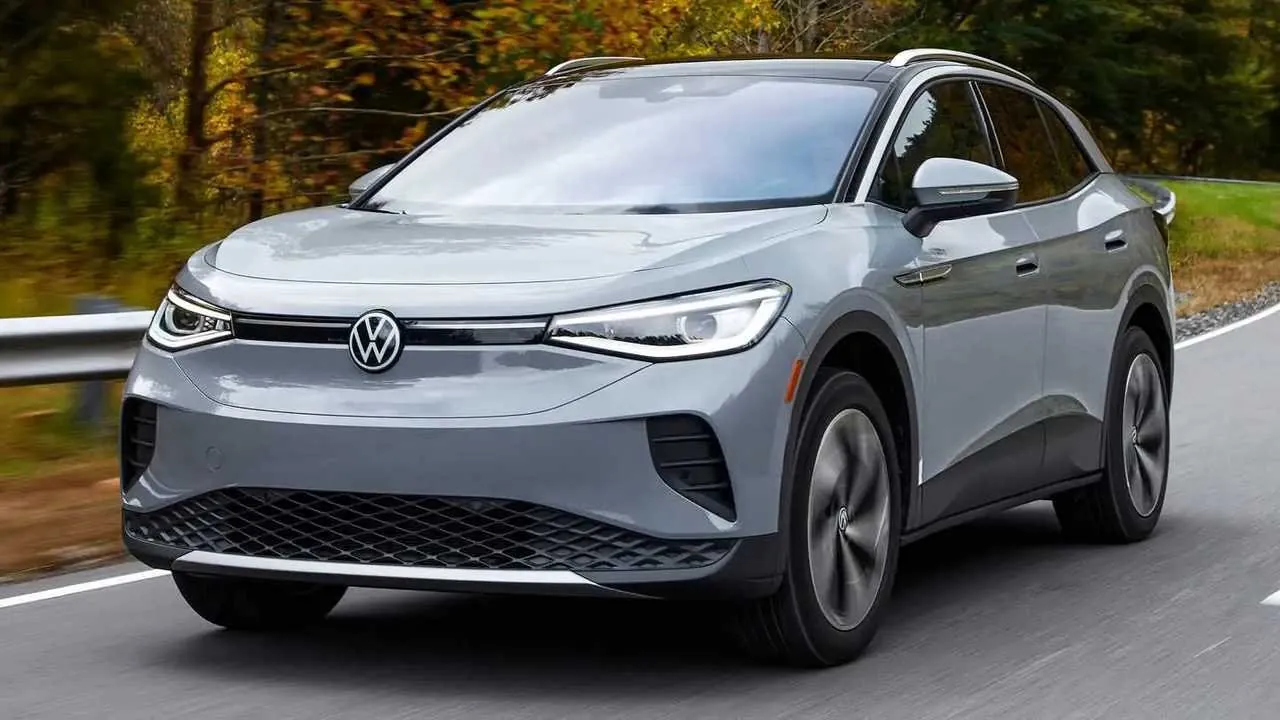
August's top model was the Volkswagen ID.4 — a car now discontinued in the United States — followed by the Toyota bZ4X and the new BMW iX3. Tesla's Model 3 managed only seventh among models. When a market saturates, the mix shifts from early-adopter halo products to broad-lineup brands selling ordinary cars to ordinary buyers; Norway's August is that transition in miniature. Even work vans are flipping: electric vans hit 53.1 percent of that segment's registrations, up 12.1 points in a year.
Why Norway got here and Canada didn't
Norway's route was fiscal, not regulatory fiat: tax breaks and incentives funded by oil wealth made EVs outright cheaper to buy and run than combustion cars, sustained since the early 2010s. By 2025, EVs already claimed 95.9 percent of Norwegian sales — August 2026 is the continuation of a decade-long curve, not a sudden jump.
Canada's path has been the opposite shape: modest purchase incentives, a federal EV sales mandate that was scrapped earlier this year, and an EV share still climbing gradually in a market where gasoline remains comparatively cheap and winters are hard on range. The Norwegian lesson isn't that Canada could hit 98 percent by copying a policy — it's that price parity, sustained for years, is what actually moves the last ninety percent of buyers. Norway's remaining 1.3 percent — the die-hard petrol buyers — may be the hardest to shift anywhere.
What it means for Canadian buyers
Two practical signals travel across the Atlantic. First, brand concentration risk is real: Tesla's Norwegian slide shows how quickly a dominant EV brand's share can compress once competition arrives at scale — worth weighing when you think about EV depreciation in Canada. Second, the Chinese-brand surge that Norway is experiencing (11.4 percent and climbing) previews the pricing pressure arriving in every open market — Canadian buyers currently don't see those brands due to the import quota on Chinese-built EVs, which shields the domestic market from exactly the segment doing the damage in Norway.
Looking for EV deals, insurance, or financing? Check out our partner deals and offers.
If you found this guide helpful, use our Tesla referral link for free Supercharging credits on a new Tesla purchase or lease in Canada.
Next story · swipe left
Next story
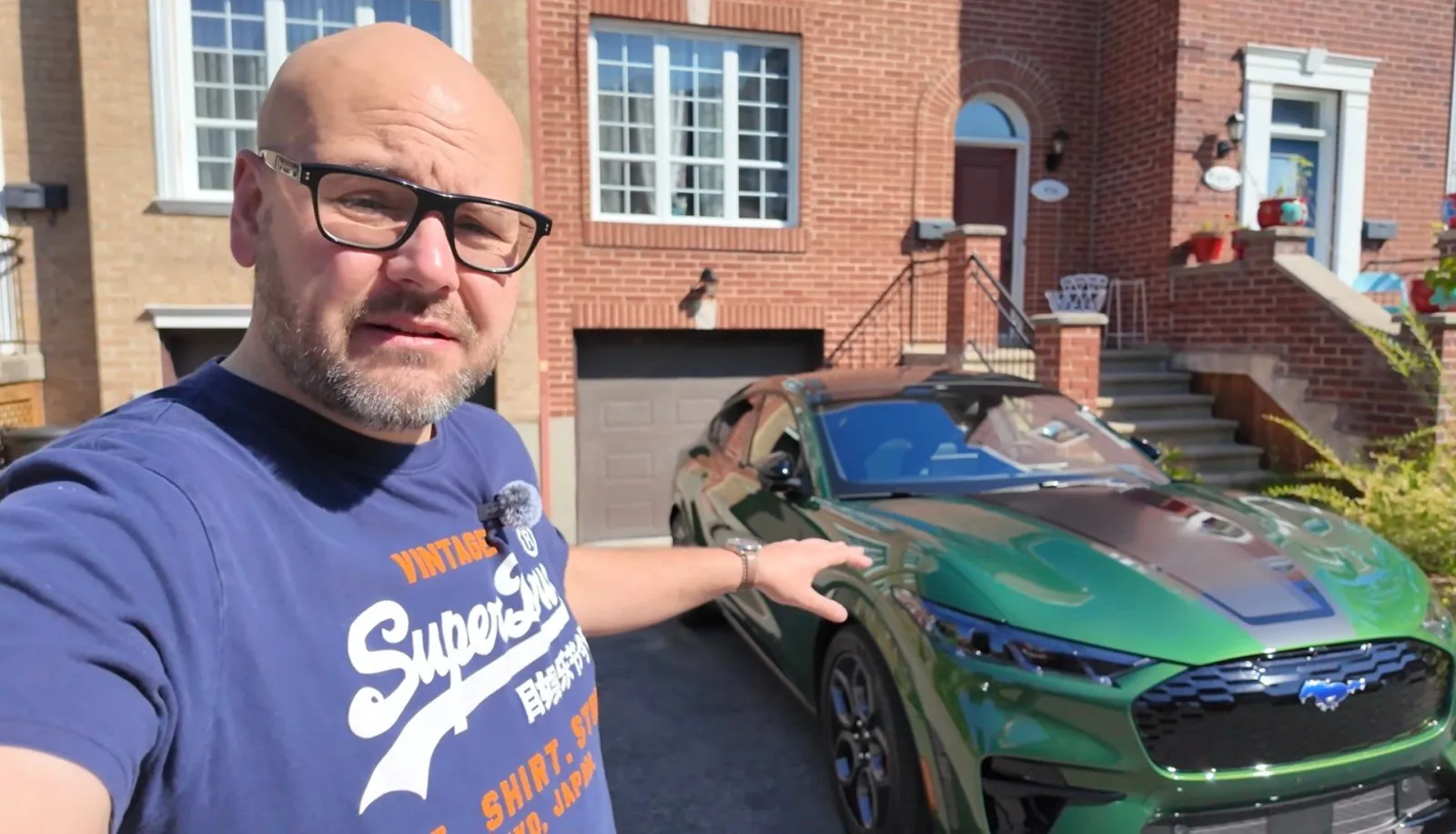
2026 Mustang Mach-E GT Canadian Highway Test: 'Too Easy' — 500 km Trip, $10–12 in Charging
4 min read
A Canadian highway test of the 2026 Ford Mustang Mach-E GT found the electric crossover neared its official range at highway speed and cost $10–12 in charging for a 300-plus-mile trip. The reviewer's verdict: longer ranges and better charging have made EV road trips 'a little too easy' — though the GT's bucket seats and stiff suspension drew complaints.
The Charge Brief
Get Canada’s EV transition in your inbox
One email a day. No spam, unsubscribe anytime.