

industry
Nissan and Honda Sign Software Deal for Next-Gen EVs 18 Months After Merger Collapsed
Nissan and Honda agreed to jointly develop and standardize the ECUs, in-vehicle operating system and core software for next-generation software-defined vehicles from fiscal 2029. It is the biggest tie-up between the two automakers since their merger talks fell apart in early 2025.
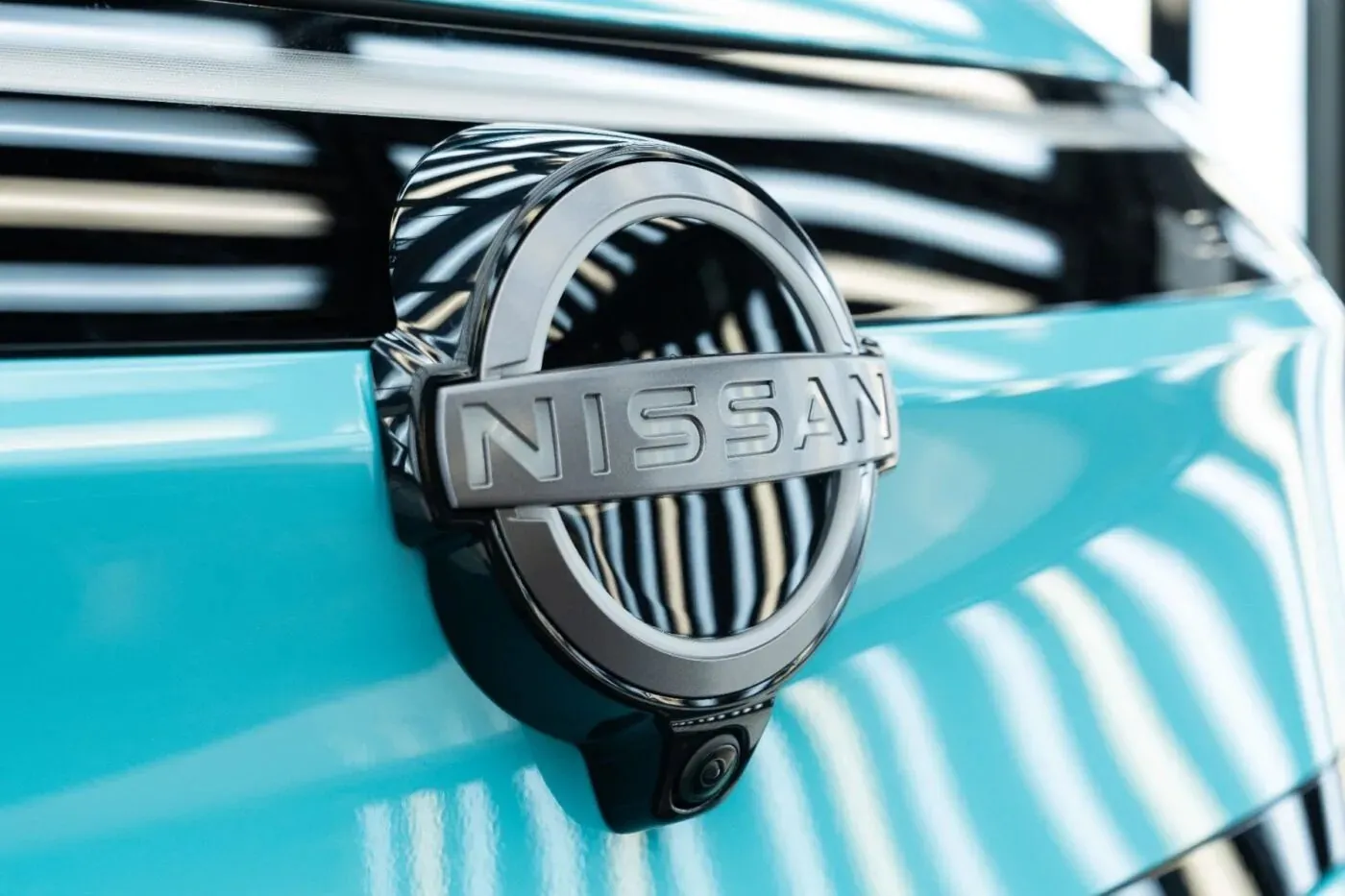
Eighteen months after their merger talks collapsed, Nissan and Honda have signed a joint development agreement to standardize the electronic brains of their next-generation vehicles. Announced August 31 by both companies, the deal covers the multiple electronic control units (ECUs) at the core of upcoming software-defined vehicles (SDVs), the in-vehicle operating system, and key parts of the middleware and vehicle control software that run on them.
What the agreement actually covers
- Standardized ECUs: common specifications for high-performance main computers (using system-on-chip processors) and zone ECUs that each oversee a section of the vehicle.
- Shared software stack: the in-vehicle operating system plus key middleware and vehicle control software.
- Timeline: the jointly developed E/E architecture is planned for both companies' next-generation SDVs from fiscal year 2029 onward.
- The goal: split development costs neither automaker wants to carry alone, and gain economies of scale two mid-sized players can't reach separately.
The companies frame the software domain — which they call key to vehicle intelligence and electrification — as the most important area left for collaboration, citing "the rapid pace of technological innovation and the need to strengthen competitiveness through improved R&D speed and investment efficiency."
From failed merger to focused partnership
The arrangement is the most concrete output yet of the strategic partnership the two Japanese automakers kept alive after their merger talks died in early 2025 — talks that reportedly broke down over Honda's push to make Nissan a subsidiary rather than an equal partner under a joint holding company. Both companies say they continue to explore collaboration "across a range of areas" in service of carbon neutrality and zero traffic fatalities. Reading between the lines: full integration is off the table, but neither company can afford to develop the software-defined-vehicle stack alone.
Why mid-sized automakers are pairing up on software
The deal follows an industry pattern: Volkswagen sources E/E architecture from Rivian and Xpeng — companies a fraction of its size. Software-defined vehicles demand silicon, operating systems and over-the-update pipelines at a scale that rewards the biggest balance sheets. For Nissan — still rebuilding after its restructuring — and Honda, sharing the foundational layer lets each keep differentiated products on top while splitting the platform bill. For buyers, the practical consequence arrives in fiscal 2029: expect faster feature updates and longer software support lifecycles on both brands' next-generation EVs, including the models that will eventually reach Canadian showrooms.
The Canadian angle
Honda operates one of Canada's largest automotive manufacturing footprints in Alliston, Ontario, and both brands sell some of the most affordable EVs and hybrids on the Canadian market — Nissan with the Leaf and its NACS-equipped successors, Honda with upcoming electrified models. A shared software architecture from 2029 won't change what's on Canadian lots next year, but it shapes how those vehicles age: the SDV era's over-the-air update cadence is precisely where lagging software investment shows up in resale values. Two budget-friendly brands pooling their software development is a credible answer.
Looking for EV deals, insurance, or financing? Check out our partner deals and offers.
If you found this guide helpful, use our Tesla referral link for free Supercharging credits on a new Tesla purchase or lease in Canada.

Next story · swipe left
Next story
Only 35% of Canadians Supported EV Sales Quotas — the Poll Behind the Mandate Repeal
5 min read
A federal Ekos Research poll of 3,035 Canadians finds just 35% supported the 100% zero-emission vehicle sales mandate, with 49% opposed and opposition peaking at 63% in Alberta. The survey, commissioned by Natural Resources Canada for $70,759, surfaced weeks before Cabinet served notice of repeal on Aug. 15.
The Charge Brief
Get Canada’s EV transition in your inbox
One email a day. No spam, unsubscribe anytime.