
policy
Trump's Envoy Hoekstra: Chinese EVs Won't Cross From Canada to U.S.
Pete Hoekstra, U.S. ambassador to Canada, told Rebel News that Chinese electric vehicles legally imported into Canada will not be allowed across the U.S. border — citing security concerns over connected-vehicle data. The remarks come after Ottawa cut tariffs on Chinese EVs to 6.1% under a 49,000-vehicle quota.
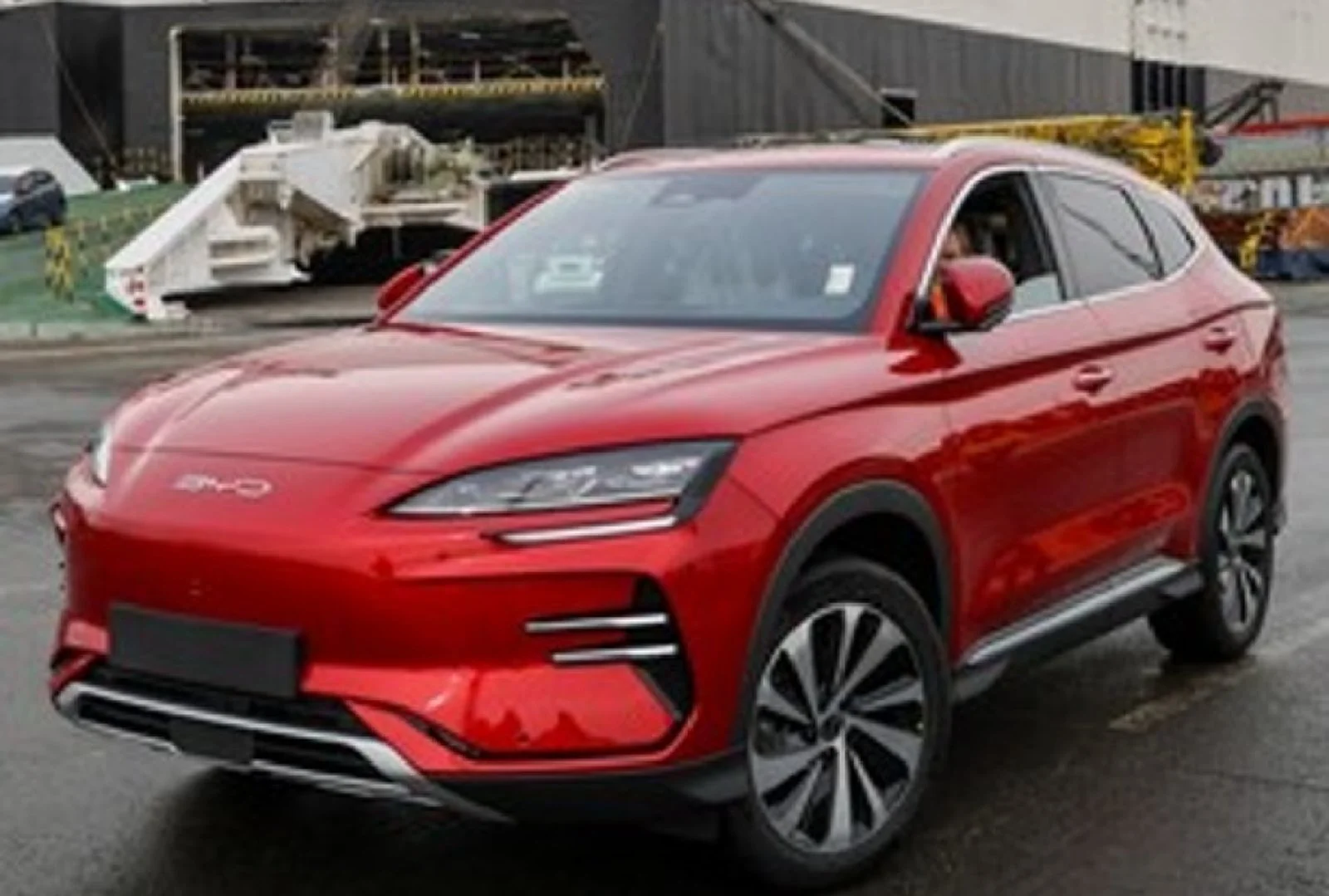
U.S. Ambassador to Canada Pete Hoekstra has drawn a hard line on Chinese electric vehicles entering the United States from Canada, telling Rebel News that "those cars can come in from China, come into Canada, but they're not going to cross the border into the U.S. That ain't gonna happen."
The quota Canada agreed to
In January 2026, Prime Minister Mark Carney struck a deal with Beijing that lowered Canada's tariff on Chinese EVs from 100% to 6.1%, with an initial annual quota of 49,000 vehicles — rising to 67,000 by 2031. As of mid-September, importers had used roughly 15,600 of the year's allocation, less than a third. The agreement also secured Chinese tariff reductions on Canadian canola and lobster.
Security, not trade, is the stated rationale
Hoekstra cited "security concerns related to data collected and transmitted by modern vehicles." The Biden administration's 2024 connected-vehicle rule bars Chinese- and Russian-linked automakers from the U.S. market starting with the 2027 model year, even for cars assembled on American soil. Hoekstra did not specify whether the barrier would be denial of U.S. resale paperwork, an outright border block, or other administrative hurdles.
Canada is "not the problem" on autos
Despite Trump's repeated calls to repatriate auto manufacturing, Hoekstra — a former Michigan congressman — said Canada is "not our problem with autos." Most Canadian-assembled vehicles contain 50–75% U.S.-made content. "Cars going across the border are 50 per cent, 75 per cent U.S. content. Those are the kind of cars we like coming in," he said. The real competitive threats, in his view, come from Korea, Japan, and Mexico.
Arctic security friction
Hoekstra also criticized Carney's $32-billion Arctic security announcement and trip to Norway, saying the U.S. was sidelined. "We think the most effective place to defend Canada and the U.S. is to do it together — but if Canada wants to go another direction, they're free to do that." He warned that mixing F-35s with Swedish Gripens would complicate NORAD integration.
Looking for EV deals, insurance, or financing? Check out our partner deals and offers.
If you found this guide helpful, use our Tesla referral link for free Supercharging credits on a new Tesla purchase or lease in Canada.
Next story · swipe left
Next story
EV vs Gas Pollution: What Comes Out of a Tailpipe vs a Power Plant
6 min read
EV vs gas pollution compared — tailpipe emissions, refinery pollution, power plant smokestacks, and why the comparison favours EVs even on dirty grids.
The Charge Brief
Get Canada’s EV transition in your inbox
One email a day. No spam, unsubscribe anytime.