
industry
Can EVs Really Dent Canada's Oil Demand?
How EV adoption affects Canadian oil demand — fuel consumption share, refinery exposure, and what full electrification actually means for oil markets.
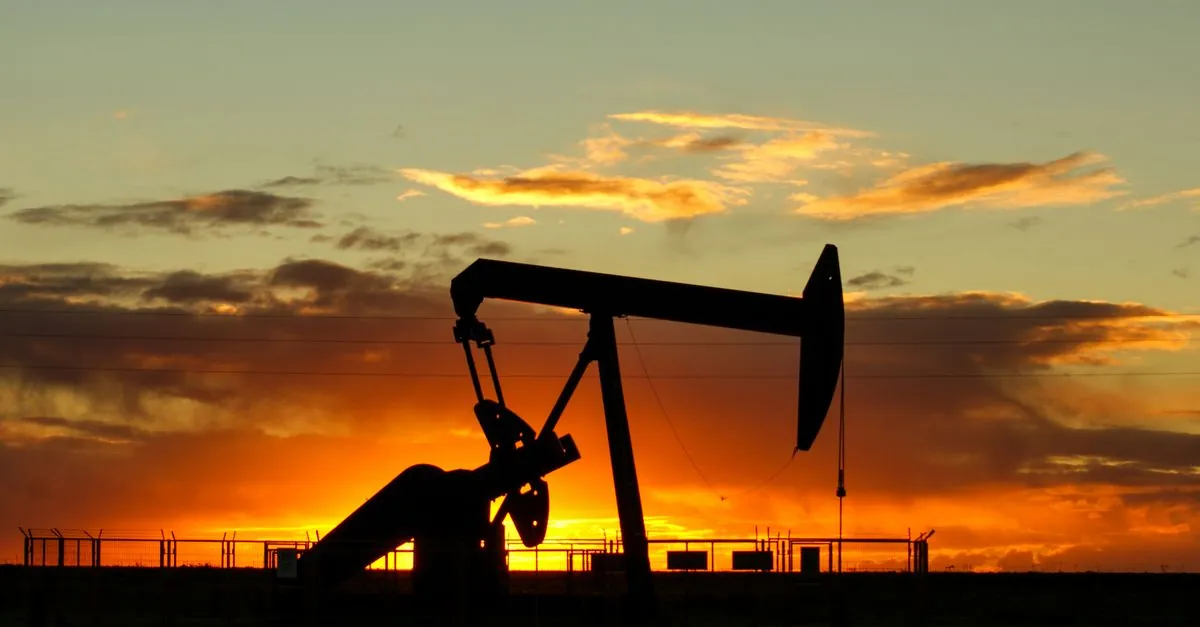
Canada burns through roughly 100 billion litres of transportation fuel a year. Electric vehicles are the only technology on a path to eliminating most of the gasoline share — but how fast, and what does it actually do to oil demand?
Transportation is where the barrels go
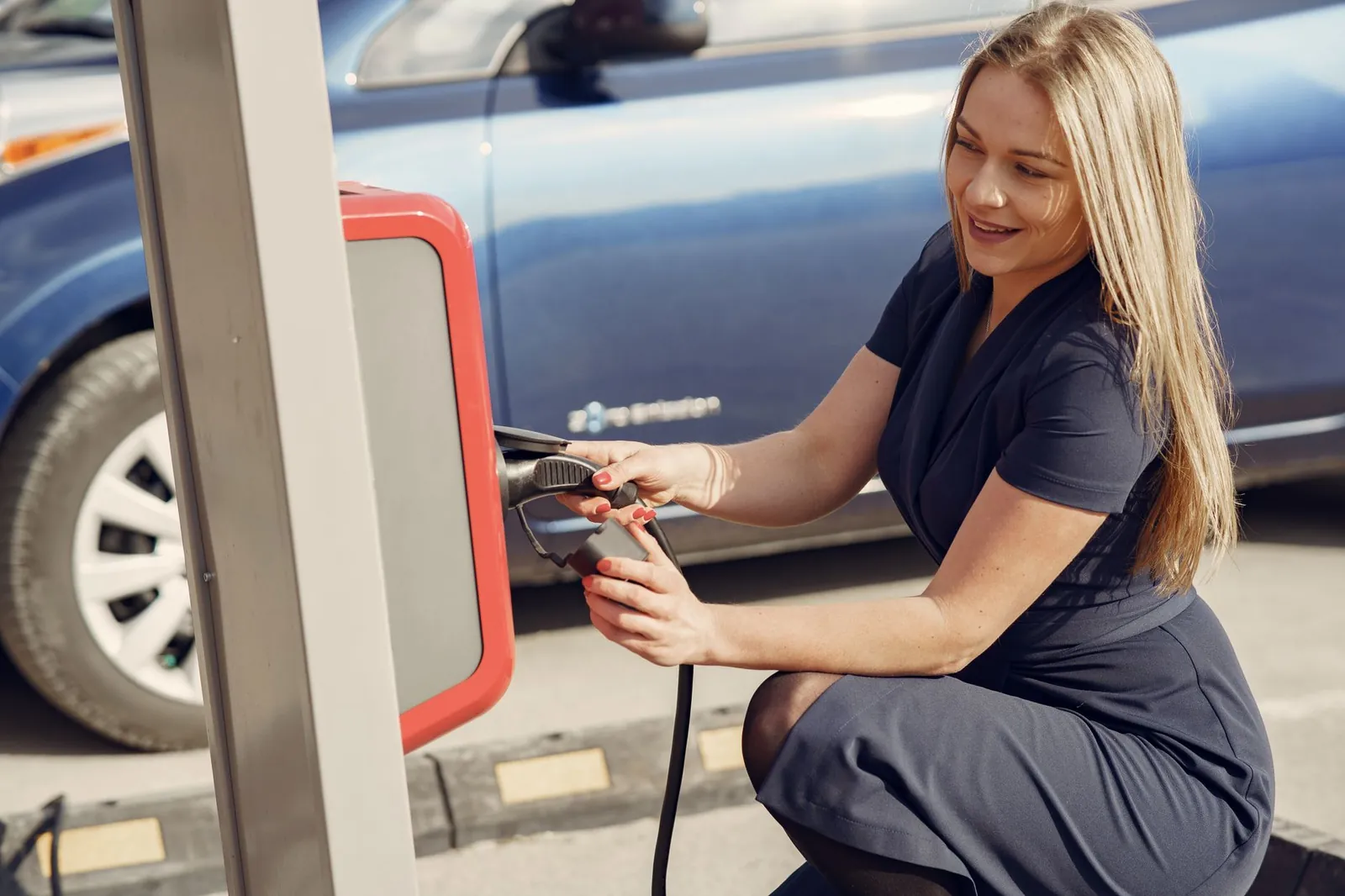
Roughly two-thirds of the refined petroleum Canadians consume goes to transportation, and light-duty vehicles — the cars and SUVs EVs replace — account for the largest single slice. When an EV replaces a gasoline car, it removes about 1,500 to 2,000 litres of annual gasoline demand by itself. That's the arithmetic that makes fleet electrification a structural threat to gasoline's Canadian market in a way no fuel-saving technology has ever been: efficiency improvements shave percentages; electrification removes the demand category entirely.
The current dent — honestly small
EVs are still under 15 percent of new-vehicle sales nationally (higher in BC and Quebec, lower elsewhere), and the fleet turns over slowly — the average Canadian vehicle stays on the road over a decade. So today's EV fleet displaces only a few percent of gasoline demand. Anyone claiming EVs have already moved oil markets in Canada is overstating; anyone claiming they never will is arguing against simple arithmetic. The displacement curve is a slow ramp that steepens through the 2030s as the fleet share compounds.
What compounds the effect
Three accelerants matter beyond raw sales share. First, EVs skew toward high-usage drivers — rideshare, delivery, long commuters — so each EV displaces more fuel than the fleet average suggests. Second, used-EV flows make electrification accessible to price-sensitive drivers who drive a lot. Third, fleet electrification — delivery vans, taxis, municipal vehicles — concentrates high-mileage displacement in the fastest-turning portion of the market. You can already see it in gasoline demand forecasts: energy agencies' projections show Canadian and North American gasoline consumption plateauing and declining as EV share grows, with the uncertainty being pace, not direction.
The refinery and pipeline exposure
Canada's refineries run heavily toward gasoline and diesel production for domestic and export markets. Falling gasoline demand squeezes refinery economics — you can see the early signs in refinery conversion projects targeting renewable diesel and sustainable aviation fuel. The oil sector's own analysts model peak gasoline demand this decade in most scenarios; the industry is planning for it even where public rhetoric dismisses it. Canadian heavy oil still finds petrochemical and export buyers, but the domestic transportation fuel loop — the guaranteed market that gasoline enjoyed for a century — is the piece electrification structurally removes.
Electricity is the replacement fuel — and Canada has it
The replacement barrel is a clean grid. Canada produces more electricity per capita than almost any country, and the vast majority of it is non-emitting. Every gasoline litre displaced by a kilowatt-hour shifts energy spending from an import-and-extract model to a domestic generation model — with the revenue flowing to Canadian utilities and generation projects rather than, in much of the country, refined-product imports.
The bottom line
EVs won't collapse Canadian oil demand this year or this decade — the fleet is too big and turns too slowly. But the direction is locked: light-duty electrification is the only technology that removes gasoline demand rather than trimming it, and every year of EV sales growth compounds the displacement. The honest answer to "can EVs dent oil demand?" is: they're the only thing that can, and the dent becomes a divot on any decade-scale view.
Looking for deals, insurance, or financing for an EV? Check our offers and partners.
If you found this guide helpful, use our Tesla referral link for free Supercharging credits on a new Tesla purchase or lease in Canada.
Next story · swipe left
Next story
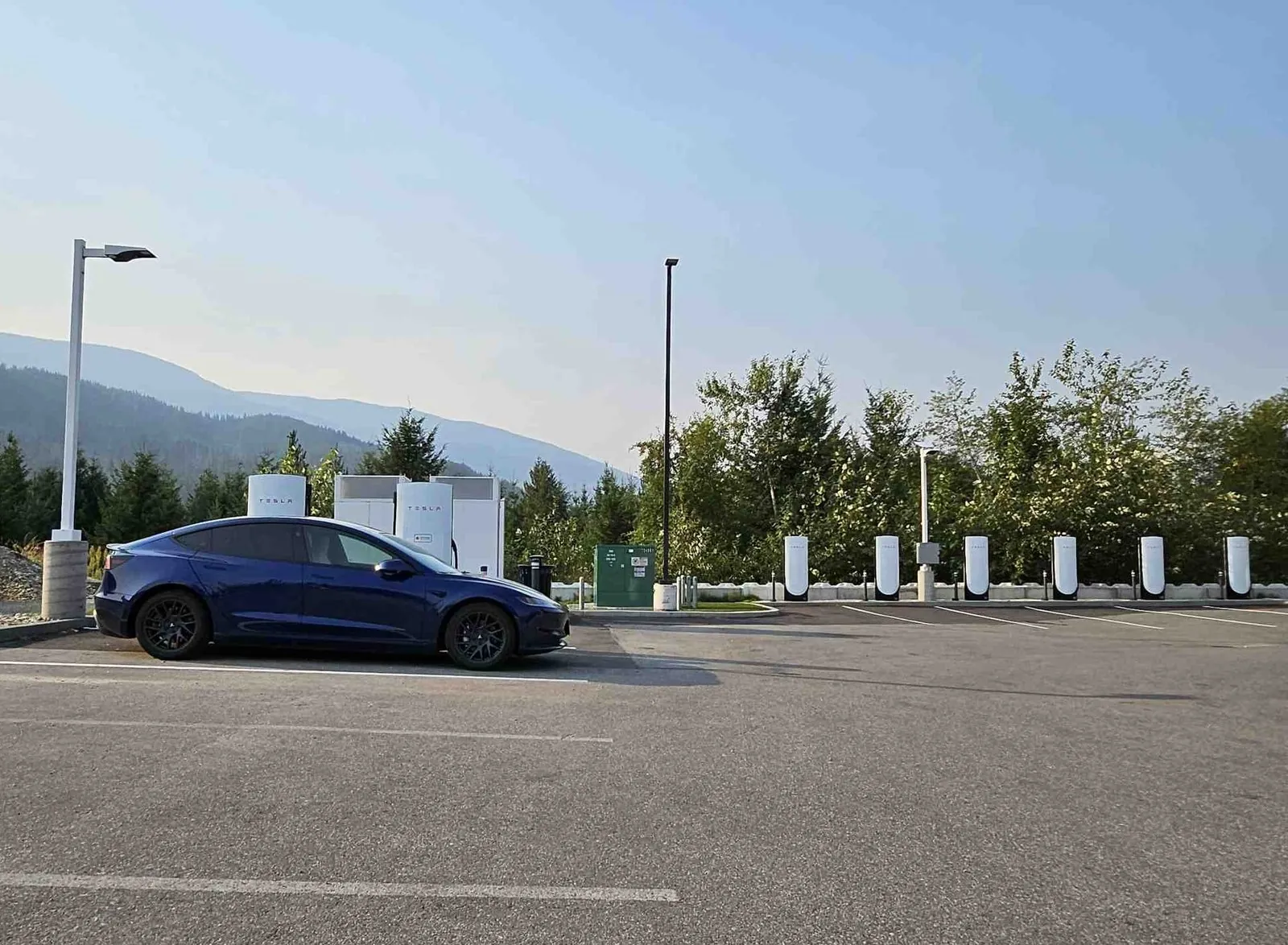
Tesla's New Sicamous Supercharger: 8 V4 Posts Open on the Trans-Canada Highway
3 min read
Tesla has energized eight V4 Supercharger stalls at the Sicamous Dairy Queen on Highway 1 — one of its fastest Canadian builds ever. Tesla owners pay $0.28/kWh off-peak; Keremeos could be next.
The Charge Brief
Get Canada’s EV transition in your inbox
One email a day. No spam, unsubscribe anytime.