
policy
opensCanada's China EV Quota Window Two Opens With 33,397 Slots — After Importers Used Just 64% of Window One
Global Affairs Canada data shows only 15,603 of 24,500 first-window Chinese-EV import permits were used by August 31. The 8,897 unused slots roll into a second window running through February 2027 with 33,397 total permits — while BYD, Chery and Geely still await certification.
The final numbers are in on Canada's first six-month window for reduced-tariff Chinese-built electric vehicles — and they confirm the program underdelivered against its ceiling. According to a GlobalChinaEV analysis of Global Affairs Canada data, importers used just 64 per cent of the slots available in the first window, which ran March 1 through August 31, 2026. Only 15,603 of 24,500 permits were exercised, leaving 8,897 unused. Those carry over: the second window, now open, offers 33,397 vehicle permits through February 2027 — a fresh 24,500 allocation plus the spring-and-summer balance.
The quota is the mechanism of the strategic partnership Prime Minister Mark Carney struck with Beijing on January 16, 2026. It replaced the 100 per cent surtax Canada had applied to Chinese-made EVs since October 2024 with a most-favoured-nation tariff of 6.1 per cent on a capped 49,000 vehicles per year. In exchange, China cut tariffs on Canadian canola seed to roughly 15 per cent from about 85 per cent and exempted canola meal, lobster, crab and peas from retaliatory duties — concessions Ottawa said could unlock nearly $3 billion in new export orders. Global Affairs Canada began issuing shipment-specific permits under the new rules on March 1.
The monthly curve explains the shortfall
First-window imports sat at zero through March and April before climbing through the summer, peaking at 5,982 vehicles in July and 5,490 in August. The slow start reflects how long it takes to stand up shipping, certification and retail under a brand-new permit system — not a lack of interest, the monthly acceleration suggests.
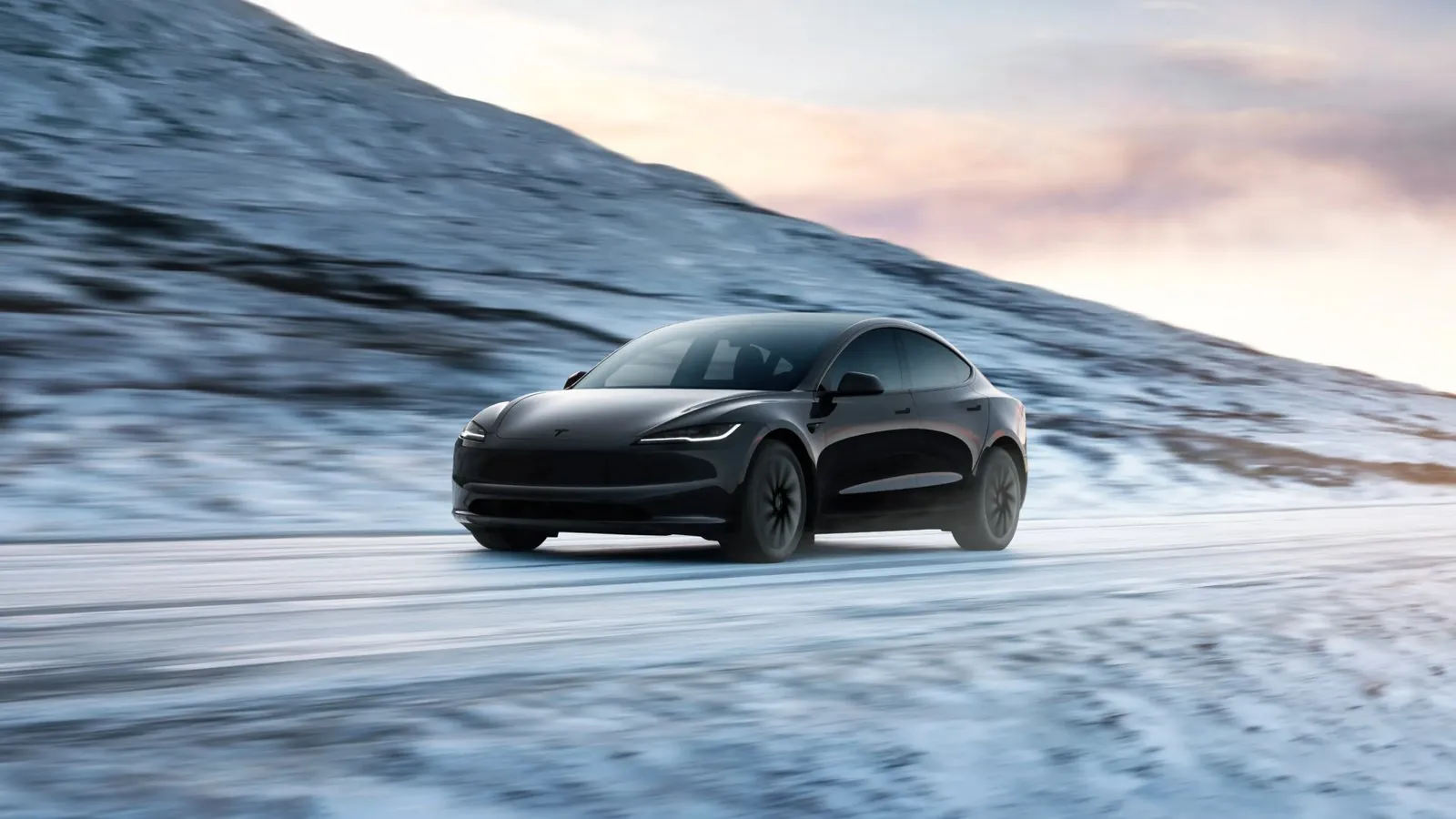
Who used the quota tells a more surprising story. Tesla accounted for the large majority of vehicles imported, led by the Shanghai-built Model 3 Premium priced from $39,490. Lotus brought its Eletre SUV in the low hundreds of units. Lincoln used the framework to import several hundred examples of its China-built Nautilus Hybrid starting in August. None of the three Chinese-headquartered brands widely expected to lead — BYD, Chery and Geely — has begun deliveries.
Why BYD, Chery and Geely are still waiting
- BYD has launched a Canadian-facing website and is hiring for sales and dealer-network roles, but has not opened vehicles for order or reservation.
- Chery and Geely are working through Transport Canada's vehicle certification process, with market entry expected as early as late 2026 or, more likely, early 2027.
- Permit rules bite: permits are issued only to vehicle manufacturers or their Canadian-resident agents, first-come, first-served, with applications accepted up to 30 days before a shipment's expected arrival and permits valid for 60 days. Independent dealers cannot apply directly — limiting the quota to automakers with an established Canadian corporate presence.
- The kit workaround is closed: complete EV knock-down kits substantially manufactured in China count as Chinese-origin even if final assembly happens elsewhere.
What changes in window two
Global Affairs Canada has flagged that it may set aside a portion of future allocations specifically for new entrants — a signal aimed at brands like BYD, Chery and Geely that lack Tesla's existing Canadian retail footprint. The affordability ramp also begins after this window: Ottawa's final rules require roughly 10 per cent of imports to be priced under $35,000 starting in 2027, rising to 20 per cent in 2028, 35 per cent in 2029 and 50 per cent by 2030. Imported Chinese EVs remain ineligible for the federal Electric Vehicle Affordability Program, which reserves rebates of up to $5,000 for vehicles built in free-trade-agreement countries.
Clean Energy Canada has defended the arrangement regardless, noting Canada had only a single EV under $40,000 before the deal, compared with 21 such models sold in Europe, and calling the quota a step toward "the affordable EV segment Canada has desperately needed." At an estimated 3 per cent of Canada's annual new-vehicle market once the quota reaches its 49,000-unit ceiling, the volumes remain modest — the real test is whether Chinese brands can convert certification progress and dealer hiring into showroom traffic before the affordability ramp forces cheaper models into the country.
Looking for EV deals, insurance, or financing? Check out our partner deals and offers.
If you found this guide helpful, use our Tesla referral link for free Supercharging credits on a new Tesla purchase or lease in Canada.
Next story · swipe left
Next story
The Boring Company Plans Hyperloop Tunnel Between San Antonio and Austin
4 min read
Elon Musk says The Boring Company is building a precursor hyperloop tunnel targeting over 200 mph between San Antonio and Austin, cutting a 2.5-hour drive to under 30 minutes.
The Charge Brief
Get Canada’s EV transition in your inbox
One email a day. No spam, unsubscribe anytime.