
policy
Ottawa Extends Gas Tax Holiday Into 2027 — Here's What the Phase-In Means for Canadian Drivers
Finance Minister François-Philippe Champagne has extended the federal fuel excise tax holiday to January 31, 2027. The 10-cent-per-litre gas increase returns in stages — 5 cents February 1, the full 10 cents April 1 — adding $2.9 billion to the deficit.
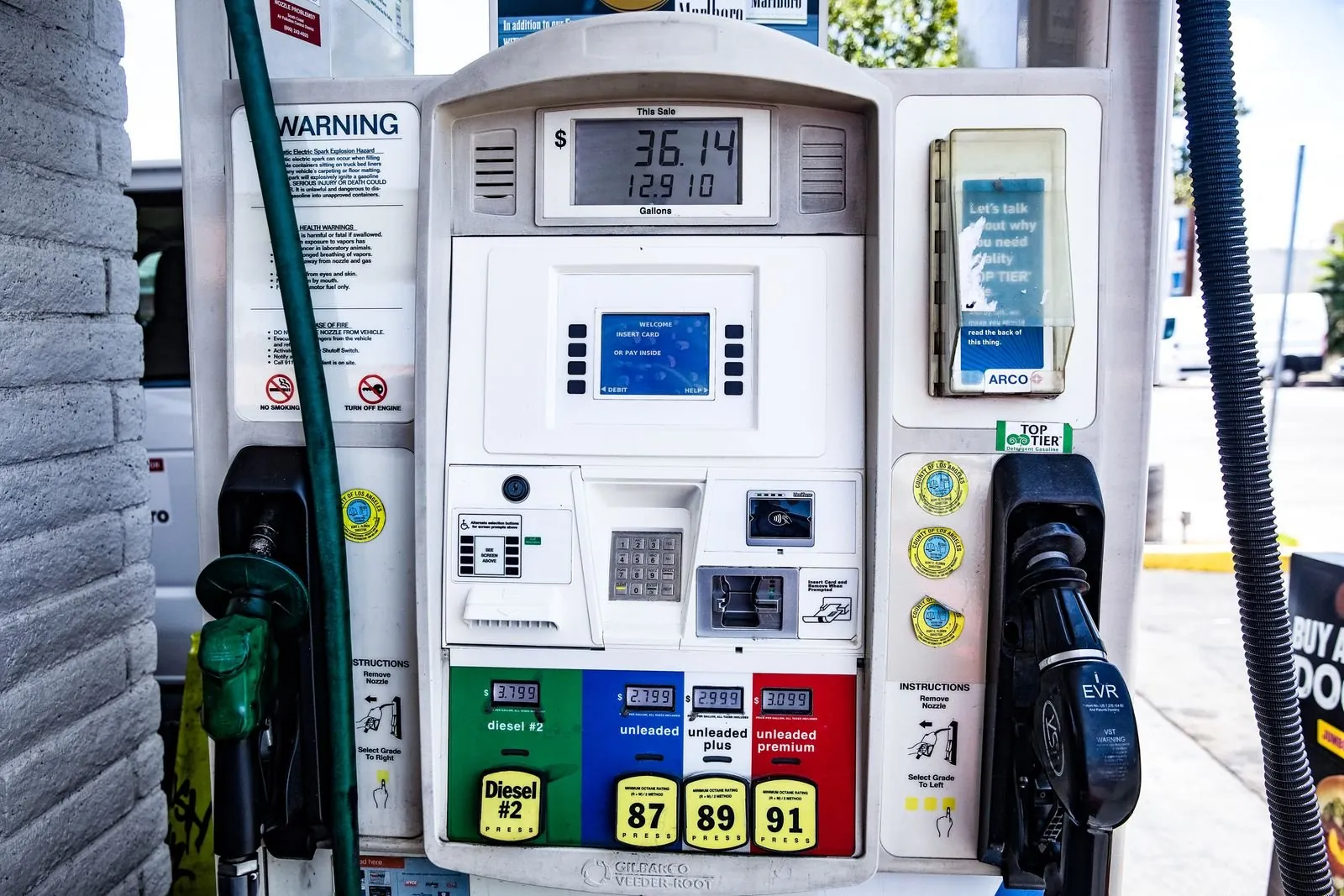
The federal fuel tax holiday is not ending after Labour Day after all. Finance Minister François-Philippe Champagne has announced that Ottawa will extend the suspension of the federal excise tax on gasoline and diesel into early 2027, delaying a 10-cent-per-litre increase that had been scheduled to take effect after Labour Day 2026.
Under the revised plan, the federal excise tax on gasoline and diesel stays at zero until January 31, 2027. The reinstatement is then phased: a half-rate of 5 cents per litre on gasoline and 2 cents on diesel applies from February 1 to March 31, before the full 10 cents on gasoline and 4 cents on diesel returns on April 1, 2027.
Why Ottawa reversed course
The decision marks a turn from early August, when Champagne suggested the holiday would end September 7 as planned, citing fiscal responsibility. Since then the government faced mounting pressure from provincial leaders and opposition parties, alongside public frustration at the pumps — in major markets like Montreal, the two-dollar-per-litre threshold has been crossed regularly in recent weeks. Ottawa has attributed fuel-price volatility to broader global pressures, including international conflicts in the Middle East and ongoing trade tensions.
"Canadians shouldn't have to pay for what they didn't cause, whether it's disruptions in the Middle East or an unjustified trade war," Energy and Natural Resources Minister Tim Hodgson said, presenting the extension as a direct affordability measure for families and the transport sector.
What the extension costs
The extension carries a steep bill for federal coffers. According to the Finance Department, keeping the holiday in place adds $2.9 billion to the deficit, bringing the total cost of the relief program to roughly $5.3 billion for the 2026-2027 fiscal year. Champagne reaffirmed that the government must balance immediate help for consumers with overall fiscal responsibility when the tax returns in the spring.
Although the full 10 cents does not come back until April 2027, drivers will begin feeling the change on February 1, 2027, when the half-rate reinstatement takes effect at stations across the country.
What it means for EV shoppers
Cheaper gasoline quietly narrows the fuel-cost gap that motivates many EV purchases. A 10-cent-per-litre federal tax on a 60-litre tank is $6 per fill-up — real money, but small against the thousands of dollars a year many Canadian drivers save charging at home instead. And the extension comes with an explicit end date: by spring 2027, pump prices tick up in two steps while home electricity rates stay put. Buyers currently cross-shopping can treat the holiday as a temporary discount on the status quo, not a permanent one.
Looking for EV deals, insurance, or financing? Check out our partner deals and offers.
If you found this guide helpful, use our Tesla referral link for free Supercharging credits on a new Tesla purchase or lease in Canada.

Next story · swipe left
Next story
Model S and Model X Sign Off With a U.S. Sales Surge — 64% and 62% in H1 2026
4 min read
S&P Global Mobility data shows Tesla Model S registrations up 64% and Model X up 62% in the first half of 2026 as buyers rushed to grab the flagships before production ended this summer. Model Y carried the lineup at 184,688 registrations while Model 3 fell 41%.
The Charge Brief
Get Canada’s EV transition in your inbox
One email a day. No spam, unsubscribe anytime.