EV vs Hybrid Canada 2026: Which Is Better for Canadian Drivers
EV vs hybrid in Canada in 2026 — total cost of ownership, winter performance, charging access, and whether a hybrid still makes sense as a bridge vehicle.
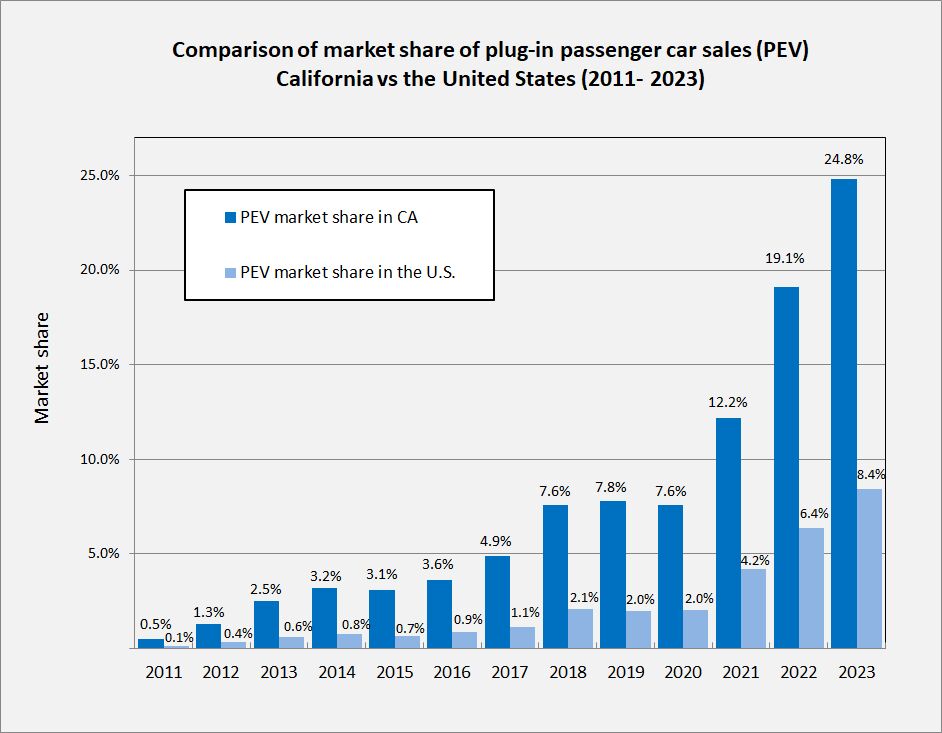
The choice between an EV and a hybrid in Canada is no longer as clear as it was five years ago. EV prices have fallen, charging infrastructure has expanded, and battery warranties have matured, which narrows the advantage hybrids once held as low-risk transitional vehicles. In 2026, the decision depends more on charging access, climate, and annual mileage than on abstract preference for electrification.
Total Cost of Ownership
EVs now cost less than comparable hybrids before incentives in several segments, and electricity is cheaper than gasoline per kilometre for drivers who charge at home. Hybrids retain an advantage for buyers who cannot charge at home and rely entirely on public fueling, because gasoline infrastructure is universal and refuelling takes minutes. Over five years, EVs are usually cheaper for drivers with home charging; hybrids are safer for drivers without dedicated parking or access to workplace charging.
Winter Performance
Both EVs and hybrids suffer winter range loss, but the impact is different. Hybrids use gasoline engines for cabin heating, which preserves electric range at the cost of fuel consumption. EVs rely on heat pumps or resistive heating, which reduces electric range but can be managed through preconditioning and garage parking. In sustained -25°C conditions, a hybrid may deliver more predictable total range because gasoline refuelling is fast and universal, while an EV may require more frequent charging sessions that take longer in cold weather.
Charging Infrastructure
Canadian drivers with reliable home charging and access to workplace or public Level 2 stations will find EV ownership practical in 2026. Drivers without dedicated parking — including condo and apartment residents in cities with limited curbside charging — may still find hybrids more convenient. The charging gap is closing as municipalities install more public Level 2 stations, but full parity with gasoline refuelling convenience remains years away in rural areas.
Resale and Reliability
Hybrids have a longer track record in Canada, which gives buyers more reliability data and stronger resale confidence for established models like the Toyota RAV4 Prime and Honda CR-V Hybrid. EVs are improving rapidly, but battery longevity and long-term service costs are still less proven for newer models. Buyers who plan to sell within three years should favour hybrids with strong resale histories unless the EV they want has a long battery warranty and strong market demand.
Looking for EV deals, insurance, or financing? Check out our partner deals and offers.
If you found this guide helpful, use our Tesla referral link for free Supercharging credits on a new Tesla purchase or lease in Canada.

Next story · swipe left
Next story
Best Electric SUVs for Canadian Families in 2026: Space, Range and Winter Ready
5 min read
Best electric SUVs for Canadian families in 2026 — three-row options, cargo space, winter range, and which EV SUV handles kids and Canadian winters best.
The Charge Brief
Get Canada’s EV transition in your inbox
One email a day. No spam, unsubscribe anytime.