EV Winter Range Loss Canada 2026: What Drivers Can Expect
EV winter range loss in Canada is real, predictable, and manageable. Here is what owners experience by temperature, model, and driving style — and how to minimize it.
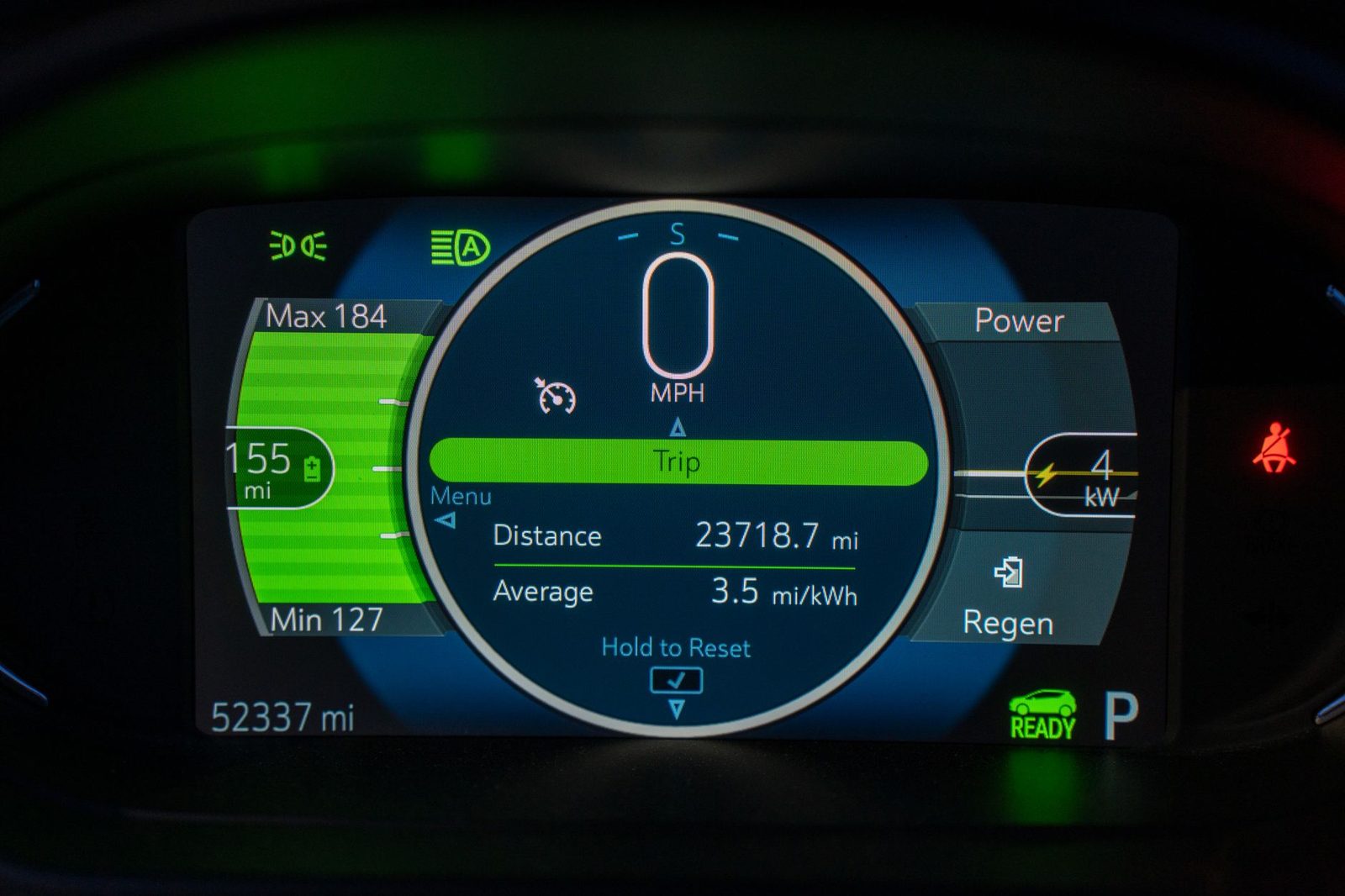
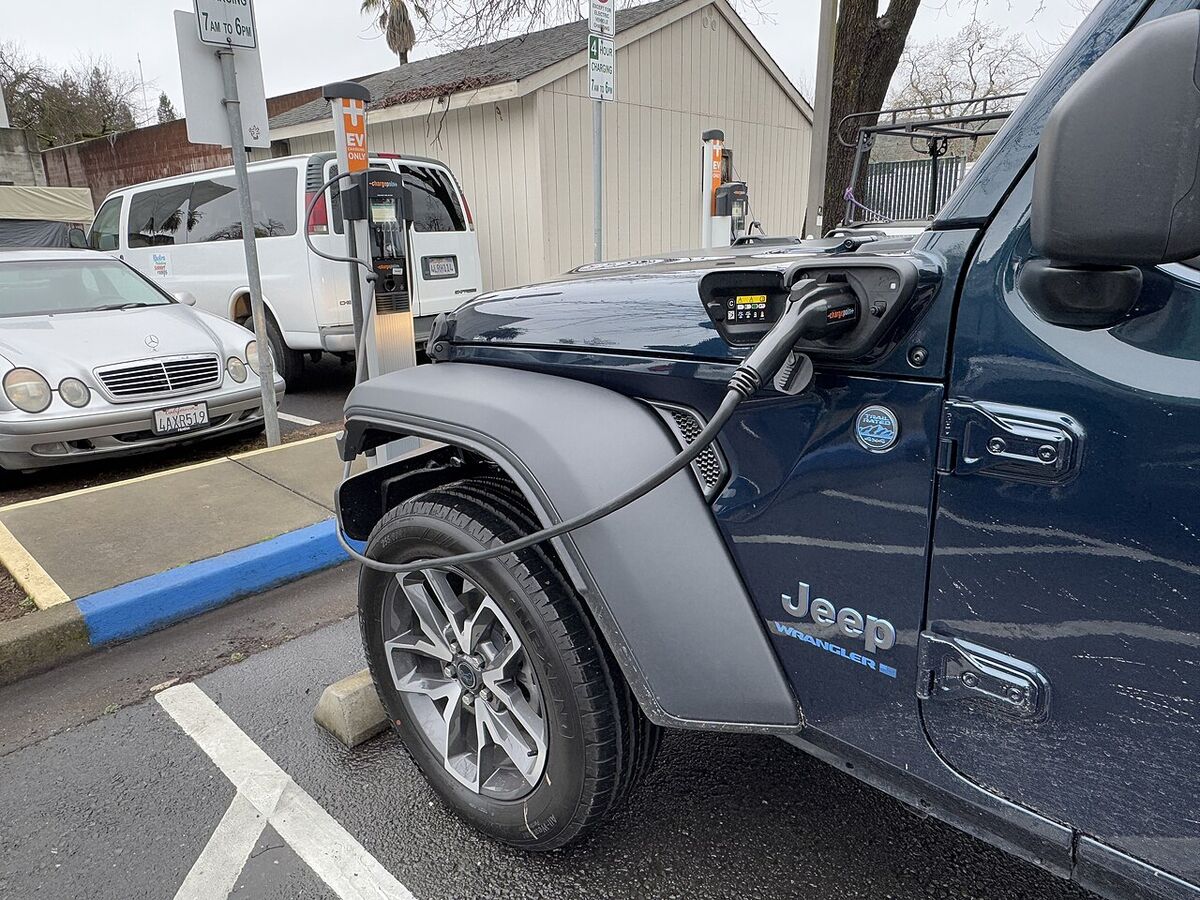
Canadian EV buyers know winter range loss exists, but the exact impact depends on temperature, battery chemistry, vehicle weight, and how the cabin is heated. In 2026, real-world winter testing across Ontario, Quebec, and the Prairies shows that average loss falls between 20 and 35 percent in normal use, with extreme cold pushing some vehicles toward 40 percent. Understanding where your model sits on that spectrum helps set realistic expectations and plan charging routines.
Heat Pumps vs Resistive Heating
Vehicles equipped with heat pumps lose less winter range than those relying on resistive heating alone. A heat pump moves heat from the outside air into the cabin using a refrigerant cycle, which is three to four times more efficient than generating heat electrically. In -10°C weather, the difference is noticeable; in -25°C weather, a heat pump may need supplemental resistive heating, but overall efficiency remains better than resistive-only systems. Most 2024-plus EVs include heat pumps, but buyers should confirm before purchasing used models.
Preconditioning and Garage Parking
Preconditioning the battery and cabin before departure is the most effective way to preserve winter range. Plugging in overnight and setting departure climate control through the vehicle app raises the battery temperature to an efficient operating range and warms the cabin without draining the pack. Garage parking amplifies this benefit because the vehicle starts closer to ideal temperature. Drivers who park outside should allow extra preconditioning time on very cold mornings.
Tire Choice
Winter tires preserve range compared to all-season tires in cold conditions because their rubber compound remains flexible at low temperatures, reducing rolling resistance. Some EV owners avoid winter tires because they increase rolling resistance slightly, but the safety benefit on ice and snow outweighs the small efficiency penalty. All-weather tires are a compromise, but true winter tires remain the best choice for Canadian drivers who encounter consistent sub-zero temperatures.
Real-World Winter Range by Model
Modern EVs with efficient thermal management typically deliver 320 to 420 km of usable range in -20°C conditions. Larger EVs with bigger batteries — including three-row SUVs — may drop below 300 km because their packs need more energy to maintain temperature. Smaller cars with heat pumps and aerodynamic efficiency often remain above 350 km in the same conditions. Buyers who prioritize winter range should compare real-world cold-weather tests rather than official combined range figures.
Looking for EV deals, insurance, or financing? Check out our partner deals and offers.
If you found this guide helpful, use our Tesla referral link for free Supercharging credits on a new Tesla purchase or lease in Canada.
Next story · swipe left
Next story
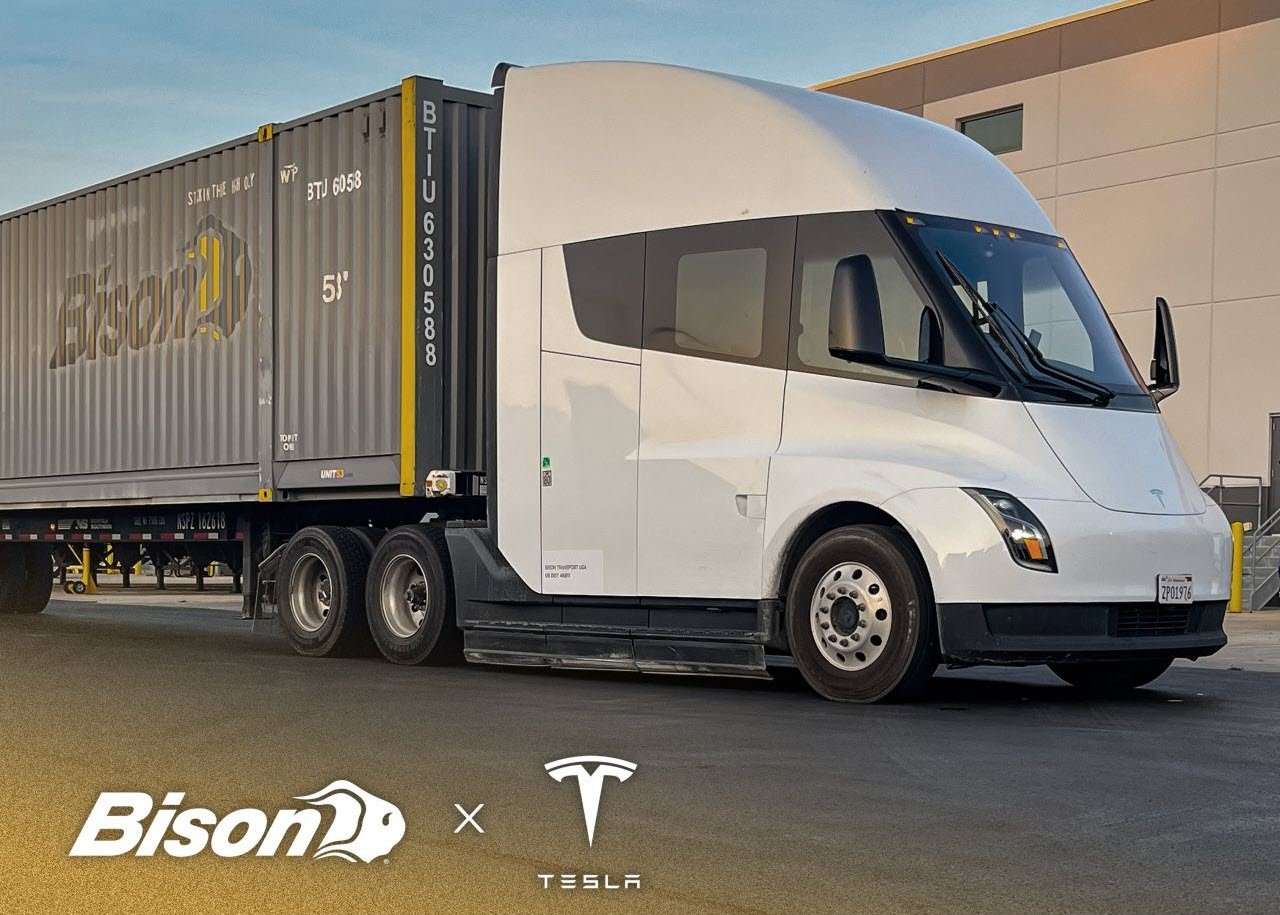
Winnipeg's Bison Transport Is Testing the Tesla Semi in Chicago
4 min read
Bison Transport, the Winnipeg-based carrier founded in 1969, has confirmed it is testing Tesla's Class 8 electric Semi with its drivers in the Chicago area — early days, but driver feedback is positive and Manitoba highways could be next.
The Charge Brief
Get Canada’s EV transition in your inbox
One email a day. No spam, unsubscribe anytime.